
Who This Article Is For
- CMOs and VP Marketing evaluating agentic AI technologies and needing governance frameworks before deployment
- Marketing Technology Leaders responsible for implementing autonomous AI systems without creating brand risk
- Content Strategy Directors exploring agentic AI capabilities but concerned about maintaining quality and differentiation
- Innovation/AI Strategy Executives tasked with deploying autonomous systems across marketing functions safely
- Agency Technology Leaders building agentic AI-powered services and needing client-ready governance frameworks
Scaling with Agentic AI – How it works for Content Marketing
The latest AI hype promises agentic systems that plan, execute, and optimize content autonomously. No human bottlenecks. No manual oversight. Just a future of agentic AI for content marketing that runs your entire content operation.
Sounds incredible. Works terribly without strategic governance.
Agentic AI Promises Autonomous Content—Here’s Why It Still Needs You
Here’s what nobody tells you: Agentic AI amplifies whatever system it’s operating within. Feed it a broken content strategy and it’ll scale that brokenness faster than you can stop it. Feed it strategic governance frameworks and it becomes the force multiplier your operation actually needs.
Your competitors aren’t afraid of autonomous AI systems—they’re building governance architectures that make those systems work for their brand instead of against it.
Stop fearing agentic AI. Start governing it strategically.
What Agentic AI Actually Means for Content Operations
Traditional AI: You write prompts, AI executes tasks, you review everything
Agentic AI: You set objectives, AI plans workflows, executes multi-step processes, and self-corrects based on results
Most marketers hear “autonomous AI agents” and imagine either:
- The optimist’s view: AI that finally handles content end-to-end while you focus on strategy
- The pessimist’s view: AI that destroys brand voice at scale while nobody’s watching
Both are wrong. Here’s what actually happens:
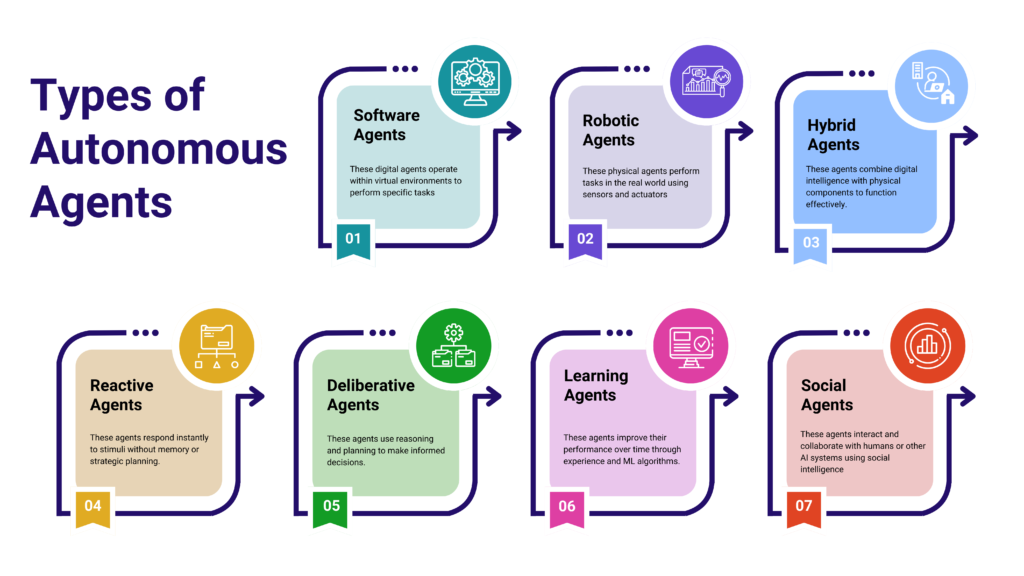
Agentic systems excel at execution within defined parameters. They’re brilliant at planning multi-step workflows, coordinating tasks, and optimizing based on feedback. They’re disastrous at understanding your brand’s strategic positioning, protecting differentiation, or knowing when to break their own rules.
Agentic AI without governance is like hiring an incredibly efficient employee who doesn’t understand your business.
The Three Critical Governance Layers Agentic AI Systems Require
Layer 1: Strategic Boundaries That Define What AI Can’t Touch
What most teams do: Give agentic AI broad access, watch it optimize for metrics that destroy long-term value
What strategic governance requires: Clear boundaries defining what AI can execute autonomously vs. what requires human strategic judgment
Your agentic system needs explicit constraints:
Green Zone – Full Autonomy: Tactical execution within approved templates (scheduling, distribution, basic optimization, performance monitoring)
Yellow Zone – Supervised Autonomy: Strategic decisions with human validation checkpoints (content type selection, messaging angle variations, budget allocation)
Red Zone – Human Only: Brand positioning, audience targeting shifts, compliance-sensitive content, crisis communications
Most teams let agentic systems optimize everything and wonder why AI chose engagement metrics over conversion quality. Strategic boundaries prevent AI from optimizing the wrong things brilliantly.
Layer 2: Brand Voice Guardrails That AI Can’t Violate
What most teams do: Trust agentic systems to “learn” brand voice from examples, watch differentiation erode as AI optimizes for generic performance
What strategic governance requires: Brand Voice Profiles so technically precise that agentic systems can’t deviate regardless of their autonomous optimization
Your Brand Voice Profile becomes the operating system agentic AI runs within:
Non-negotiable parameters: Vocabulary requirements, forbidden phrases, tone boundaries that constrain every autonomous decision
Quality benchmarks: Automated scoring that triggers human review when AI’s autonomous content drifts from brand standards
Compliance protocols: Legal, regulatory, and brand guidelines agentic systems must check before autonomous execution
When brand voice guardrails are systematic, agentic AI protects differentiation while scaling execution. Without them, autonomy becomes a liability.
Layer 3: Performance Metrics That Align AI Objectives With Business Goals
What most teams do: Let agentic systems optimize for engagement metrics, wonder why traffic increased but pipeline didn’t
What strategic governance requires: ROI frameworks that force agentic AI to optimize for revenue attribution, not vanity metrics
Your agentic system needs properly aligned AI success metrics:
Primary objectives: Cost-per-SQL, pipeline attribution, conversion rates by content type
Secondary objectives: Production efficiency, content velocity, quality consistency scores
Prohibited optimizations: Engagement without conversion, traffic without leads, volume without value
Most agentic systems will brilliantly optimize whatever metrics you give them. Strategic governance ensures those metrics actually matter to your business.
How Agentic AI for Content Marketing Changes Content Workflows (When Governed Properly)
Before Agentic AI:
- Humans plan content calendars manually
- Humans write briefs for each piece
- Humans review every draft
- Humans optimize based on performance
- Humans coordinate distribution
Bottleneck: Human capacity limits scale
After Agentic AI (Without Governance):
- AI plans content autonomously
- AI generates and publishes without oversight
- Brand voice drifts toward generic optimization
- Performance metrics look good but conversions tank
- Leadership questions why autonomous AI failed
Disaster: Scaled execution without strategic direction
After Agentic AI (With Strategic Governance):
- AI plans content within strategic boundaries
- AI generates drafts using locked-in brand voice templates
- Quality gates catch deviations before autonomous publishing
- AI optimizes for revenue metrics, not engagement vanity
- Humans focus on strategy while AI handles scalable execution
Success: Scaled execution that protects what matters
The Agentic AI Implementation Reality Check
You can’t just “turn on” agentic AI and hope it works. You need governance infrastructure first.
Month 1: Build your strategic boundaries (define green/yellow/red zones for autonomous operation)
Month 2: Document brand voice parameters that constrain agentic optimization (create technical specs AI can’t violate)
Month 3: Install quality gates that validate autonomous execution (automated checks that catch AI drift)
Month 4: Deploy agentic systems within your governance framework (let AI operate autonomously where it’s safe, require human judgment where it matters)
Most teams skip to Month 4 and wonder why autonomous AI creates autonomous disasters. Strategic implementations build governance infrastructure before deploying agentic capabilities.
What Changes When You Govern Agentic AI Strategically
Teams without governance:
- Agentic AI optimizes for metrics that don’t matter
- Brand voice drifts as AI autonomously “improves” content
- Autonomous systems scale mediocrity efficiently
- Leadership loses trust in AI autonomy
Teams with strategic governance:
- Agentic AI optimizes for revenue while protecting brand voice
- Autonomous execution stays within strategic boundaries
- AI handles scalable tasks, humans focus on strategy
- Leadership approves expanded AI autonomy because results prove it works
The difference isn’t the agentic AI technology—it’s the governance framework that makes autonomy productive rather than dangerous.
Your competitors aren’t afraid of agentic AI systems. They built the strategic guardrails that make autonomous operation safe and profitable. They defined boundaries, documented voice parameters, and aligned AI objectives with business goals before letting systems run autonomously.
Stop fearing agentic AI. Start building the governance that makes it work.
Ready to Stop the Bleeding and Start Building Agentic AI for Content Marketing That Works?
Stop bleeding budget on broken AI workflows. AIContentCMO delivers the governance frameworks that transform chaotic content operations into predictable revenue engines—eliminating expensive trial-and-error while your team watches results compound. Explore strategic consulting and DIY resources that fix what’s broken in 30 days.